For any drilling contractor or water well professional, choosing the right equipment is the most critical decision for project profitability. The debate is often between two main technologies: Pneumatic Drilling Rigs (DTH) and Hydraulic Drilling Rigs (Mud Rotary/Top Drive).
While both machines are designed to reach the aquifer, they operate on different principles and excel in different geological environments.
As a professional manufacturer of both types, Torik Heavy Industry has prepared this comprehensive guide. We will break down the pros, cons, and performance differences to help you make an informed buying decision.
1. What is a Pneumatic Water Well Rig?
Pneumatic rigs, often referred to as Air DTH (Down-The-Hole) Rigs, rely on compressed air to drive a hammer located at the bottom of the drill string. The air also serves to flush cuttings out of the hole.
Best For:
-
Hard Rock Formations: Granite, Basalt, Limestone.
-
Water-scarce areas: No need for water to drill.
The Pros:
-
Incredible Speed in Rock: In hard rock, a pneumatic rig is significantly faster than a hydraulic mud rig. It operates like a jackhammer, pulverizing rock instantly.
-
Clean Borehole: Using air instead of mud prevents the aquifer from being clogged, often resulting in a better immediate water yield.
-
Cold Weather Friendly: Air doesn’t freeze, making it suitable for winter drilling.
The Cons:
-
High Equipment Cost: You need a high-pressure Air Compressor, which is often as expensive as the rig itself.
-
Struggles in Loose Soil: In soft sand or collapsing soil, air drilling can be difficult without casing, as the air pressure might erode the borehole walls.
2. What is a Hydraulic Water Well Rig?
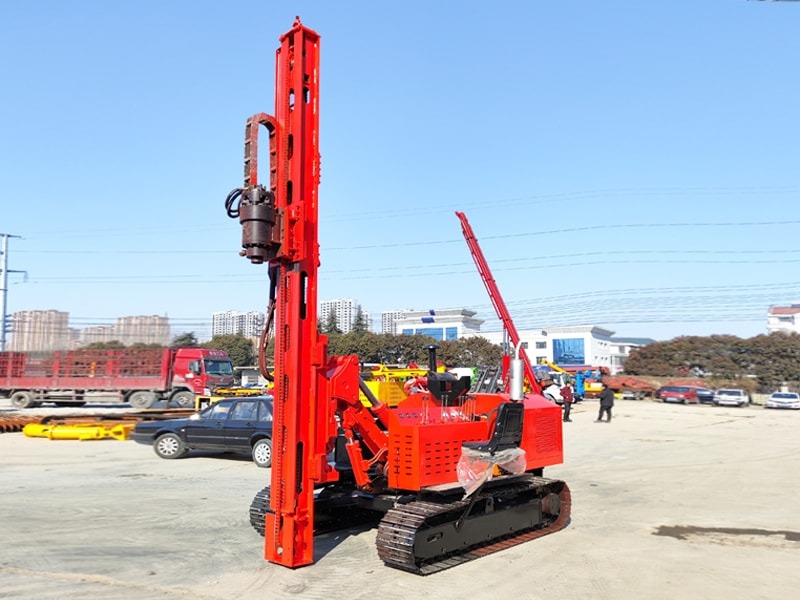
When people say “Hydraulic Rigs” in water well drilling, they often refer to Mud Rotary Rigs or Fully Hydraulic Top Drive Rigs that use a Mud Pump. These rigs use a circulating fluid (mud/water) to cool the bit, carry cuttings to the surface, and stabilize the borehole wall.
Best For:
-
Soft Formations: Sand, Clay, Soil, Sedimentary rock.
-
Deep Drilling: Where borehole stability is crucial.
The Pros:
-
Versatility in Soft Ground: The drilling mud creates a “filter cake” on the wall, preventing the hole from collapsing in sandy or loose terrain.
-
Lower Noise: Without the loud air compressor and percussive hammer, hydraulic rigs are quieter, making them better for residential areas.
-
Cost-Effective Startup: You don’t need a massive air compressor to get started (though you do need a mud pump).
The Cons:
-
Slower in Hard Rock: Grinding through hard granite with a rotary tricone bit is much slower than using a DTH hammer.
-
Messy Site: Managing drilling mud (mixing pits, disposal) requires more labor and creates a messier job site.
3. Head-to-Head Comparison: Which Wins?
To help you decide quickly, here is a comparison of key performance metrics.
| Feature | Pneumatic Rig (Air DTH) | Hydraulic Rig (Mud Rotary) |
| Key Mechanism | Air Compressor + DTH Hammer | Mud Pump + Rotary Bit |
| Best Geology | Hard Rock (Granite/Basalt) | Soft Soil, Clay, Sand |
| Drilling Speed (Rock) | Very Fast (High Penetration) | Slow (Grinding action) |
| Drilling Speed (Soil) | Fast, but risk of collapse | Moderate, highly stable |
| Initial Investment | High (Rig + Compressor) | Moderate (Rig + Mud Pump) |
| Fuel Consumption | High (Runs Rig + Compressor) | Lower (Runs Rig + Pump) |
| Water Required | None (or very little for dust) | High volume required |
4. Buying Advice: How to Choose?
At Torik, we manufacture both Pneumatic Water Well Rigs and Hydraulic Core/Water Rigs. We advise our clients based on their local geography:
Choose a Pneumatic Rig IF:
-
Your primary working area is rocky, mountainous, or has hard bedrock close to the surface.
-
You need to finish wells quickly (speed is your profit).
-
Water supply for drilling is scarce in your area.
Choose a Hydraulic Rig IF:
-
You drill mostly in plains, river deltas, or areas with deep layers of clay and sand.
-
You are working in urban areas where noise control is strict.
-
Your budget cannot cover a large air compressor right now.
5. Why Buy from Torik?
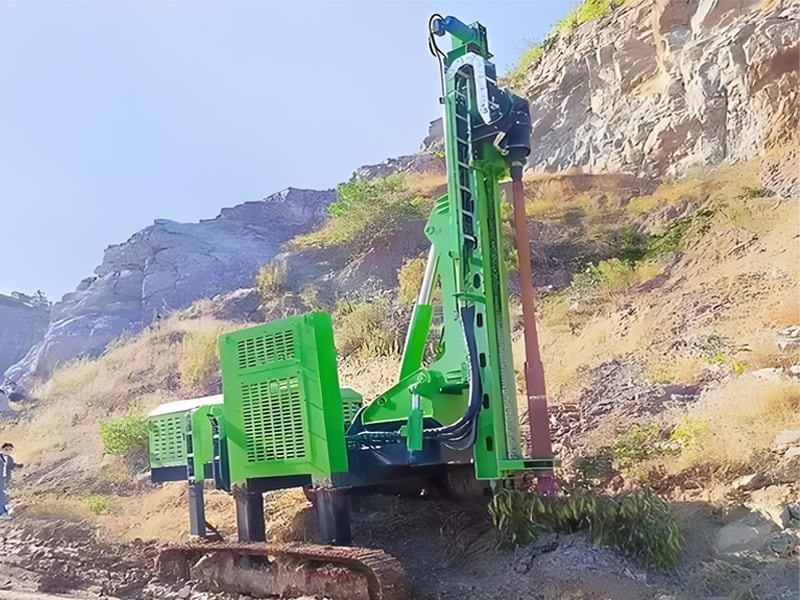
Whether you need the rock-crushing power of a Pneumatic Rig or the stability of a Hydraulic Rig, Torik has the solution.
-
Factory Direct Price: Save 15-30% by cutting out the middleman.
-
Customization: We can equip our hydraulic rigs with DTH interfaces, giving you a hybrid solution for mixed terrains.
-
Quality Assurance: ISO certified manufacturing ensures your rig withstands years of heavy use.
Still not sure which rig fits your project?
Contact Torik’s Engineering Team today. Tell us your drilling depth and geological conditions, and we will provide a free, professional configuration plan within 24 hours.